As late May transitions into June, the warmer weather and bright sunshine mean we are spending plenty of time outdoors here in the New River Valley. However, the rising temperatures also mean your lawn is about to hit its most stressful season of the year.
Most lawns in Radford, Blacksburg, and the surrounding NRV are composed of cool-season grasses like Tall Fescue and Kentucky Bluegrass. While these grasses thrive in the spring and fall, they naturally struggle during our hot, dry summer months.
To keep your yard lush, green, and resilient against summer stress, implement these four essential lawn care strategies right now.
1. Raise Your Mower Blades (The 3-to-4 Inch Rule)
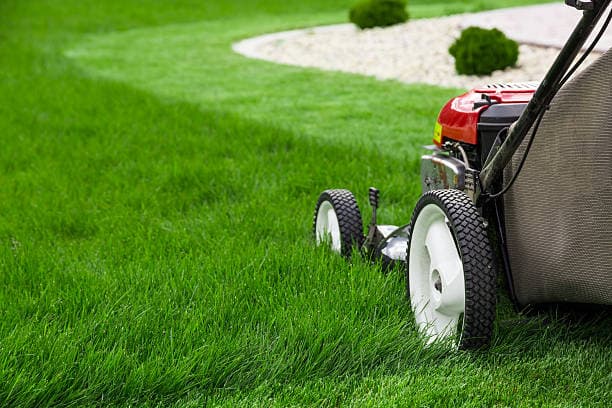
One of the easiest and most effective things you can do for your lawn as summer approaches is to raise your mowing height.
- Aim High: Set your mower deck to cut cool-season grasses at 3 to 4 inches.
- Shade the Roots: Taller grass blades shade the soil underneath, which minimizes water evaporation and keeps soil temperatures cooler.
- The 1/3 Rule: Never remove more than one-third of the grass blade during a single mow. Cutting it too short shocks the plant and forces it to redirect food resources away from the roots to repair the leaves.
- Pro-Tip: Keep your mower blades sharp! Dull blades tear the grass instead of cutting it cleanly, leaving ragged edges that turn brown and open the door for fungal diseases.
2. Water Deeply and Infrequently
When the summer dry spells hit Southwest Virginia, your watering habits will make or break your turf.
- The Goal: Established lawns generally need about 1 inch of water per week, including natural rainfall.
- Go Deep: Instead of watering for 10 minutes every evening, switch to deep, infrequent watering cycles (e.g., half an inch twice a week). Thoroughly soaking the root zone encourages grass roots to grow deeper into the soil to find moisture, making the lawn significantly more drought-tolerant.
- Timing Matters: Always water early in the morning between 4:00 AM and 8:00 AM. This allows the water to soak into the soil before the sun causes heavy evaporation, and ensures the grass blades dry quickly, preventing fungal growth.
3. Hold Off on Heavy Summer Fertilizers
While it is tempting to throw down fertilizer to push a burst of green growth, applying heavy nitrogen to cool-season lawns right now can backfire.
- Root Development Over Lush Leaves: Large spring and summer applications of nitrogen force rapid, lush leaf growth at the exact moment the root system is naturally slowing down. This leaves you with a weak root system unable to support the heavy top growth through a drought.
- Wait for Fall: For fescue lawns in Virginia, save the heavy, nutrient-rich fertilization schedules for the late summer and fall (September through November), when the grass enters its peak active root-growing phase.
4. Spot-Treat Active Summer Weeds
As the summer heat kicks in, common broadleaf weeds and annual grasses will attempt to crowd out your turf.
- Targeted Control: Rather than blanket-spraying your entire yard with chemicals—which can stress the grass during high heat—utilize post-emergent spot treatments.
- Optimal Conditions: Apply treatments on calm days when temperatures are warm but not scorching (ideally between 50°F and 80°F) and weeds are actively growing. Catching weeds while they are small prevents them from stealing vital water and nutrients from your grass.
Keep Your Lawn Thriving All Season Long
A little proactive maintenance in late spring saves a massive headache in mid-July. By adjusting your mower, watering with intention, and giving your roots a break from heavy fertilizers, you’ll set your lawn up for a vibrant, healthy summer.
Need a hand with your home's exterior?
From lawn care to gutter cleaning, our New River Valley team is ready to help.